How to Prepare Your Commercial Roof for Winter in St. Louis (2026 Guide)
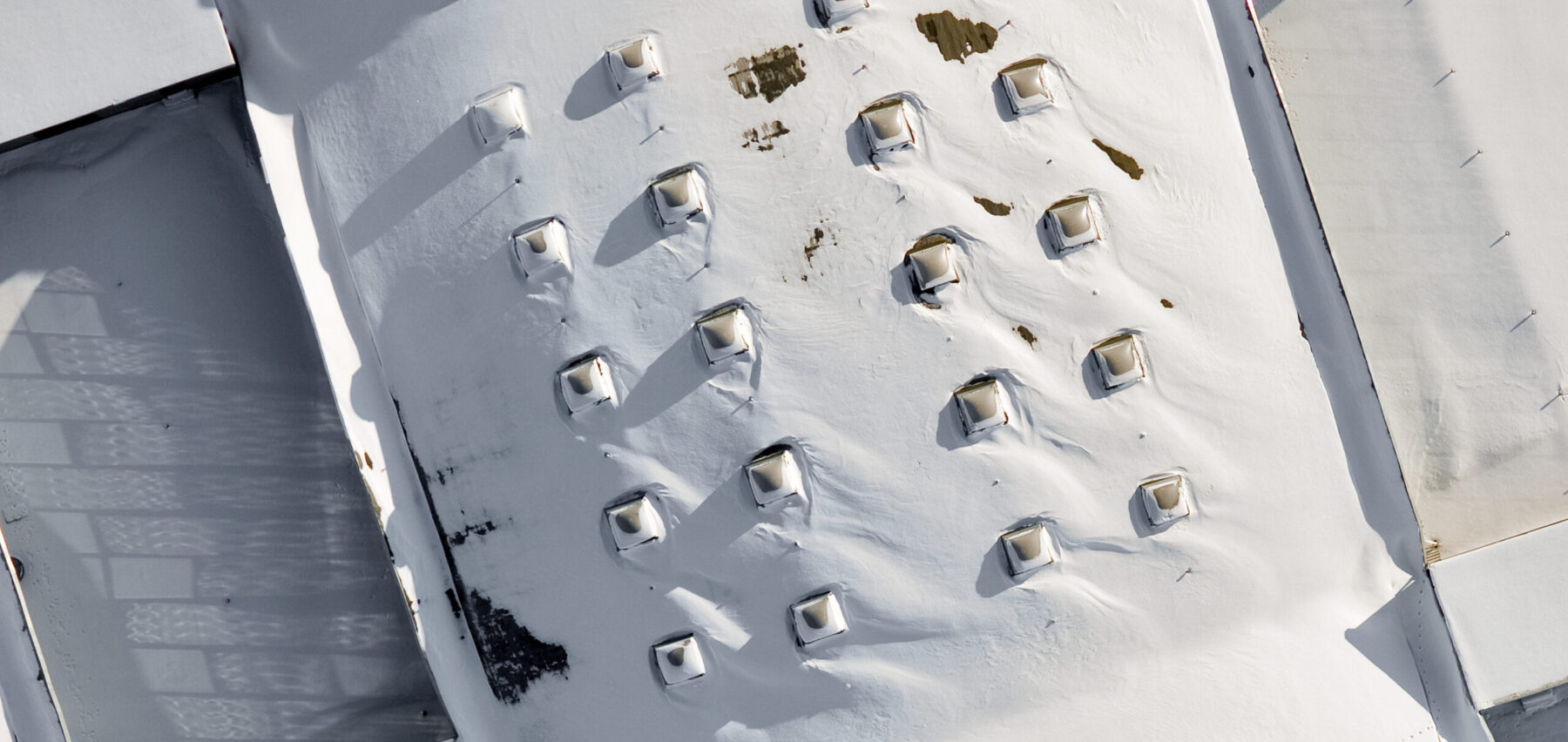
The most damaging season for a St. Louis commercial roof is not the summer storm season. It is the slow, repeated freeze-thaw cycling of winter, and the damage is nearly always set in motion by small problems that were left unaddressed in the fall. A commercial roof heading into winter with clogged drains, an open seam, or a failed flashing will often make it to spring with a five- or six-figure leak. The same roof, inspected and corrected in September or October, usually gets through winter without incident. Winter preparation is not seasonal housekeeping; it is the single most cost-effective thing a St. Louis property owner can do between now and spring.
Call 314-436-3788 (MO) or 618-337-9061 (IL) to schedule a fall commercial roof inspection.
This guide is written for the facility managers, property managers, building owners, and commercial real estate investors who are responsible for flat and low-slope roofs across the St. Louis metro. It covers how winter specifically attacks a commercial roof, what a proper fall preparation checklist includes, and how to decide what needs to happen before the first hard freeze.
Why Winter Is So Hard on St. Louis Commercial Roofs
St. Louis does not get the heaviest snowfall in the country, and that is exactly why the risk is underestimated. The metro averages roughly 16.6 inches of snow across about 14.5 days per year, most of it in January and February. The danger is not depth. It is the freeze-thaw cycling that comes with a climate that hovers around the freezing point for months.
St. Louis experiences an estimated 80 to 100 freeze-thaw cycles per year, where the temperature crosses the freezing threshold within a 24-hour period. Each cycle drives the same destructive process: water works into a seam, a flashing detail, or a hairline membrane crack, freezes, expands roughly nine percent, and pries the opening slightly wider. Then it thaws and the next cycle starts. Water that freezes and expands is powerful enough to split stone, and it treats an aging roof membrane the same way. A roof that was watertight in October can develop active leak paths by February through nothing more than repeated freezing.
Winter attacks a commercial roof through several mechanisms at once:
- Freeze-thaw cracking. Repeated expansion and contraction stresses seams, flashings, and penetrations, opening micro-cracks that become leak entry points.
- Snow load. Dense, wet snow is heavy. Roughly 15 inches of packed, glacial snow can weigh about 25 pounds per square foot. Flat and low-slope roofs do not shed snow the way pitched roofs do, so it accumulates and can cause deflection that splits seams or stresses roof-to-wall connections.
- Frozen and clogged drainage. Interior drains, scuppers, and downspouts that ice over force meltwater to back up and pond on the roof, where it refreezes and works into the assembly.
- Ice dams. Even on low-slope roofs, heat escaping from the building can melt the underside of a snowpack; that water runs to a colder edge or drain, refreezes, and forms a dam that traps standing water behind it.
- Thermal shock. Dark membranes can warm in winter sun and then plunge below freezing overnight, driving rapid expansion and contraction that fatigues aging materials.
Combine these with the reality of commercial use (rooftop HVAC running hard, service traffic, and equipment penetrations), and an unprepared commercial roof in St. Louis enters spring in materially worse condition than it left fall.
The Fall Commercial Roof Preparation Checklist
The goal of fall preparation is simple: find and fix the small problems now, while access is safe and repairs are cheap, so they cannot become winter leaks. A thorough pre-winter preparation includes the following.
Clear and test all drainage. Remove leaves, seed pods, granules, and debris from the entire roof surface, and clean every drain, scupper, and downspout. Fall leaf drop is the number one cause of winter drainage failure in St. Louis. Drainage should be clear and flowing before the first freeze, because a drain that is blocked when temperatures drop will stay frozen and blocked for weeks.
Inspect and reseal flashings and penetrations. Every wall, parapet, curb, drain, HVAC unit, skylight, and pipe is a place where the membrane is interrupted and water can enter. These details are where the large majority of winter leaks begin. Failed sealant, lifted flashing, or an open termination bar should be corrected in the fall, not discovered in January.
Repair open or stressed seams. Seams are the most common single-ply failure point, and freeze-thaw cycling targets them directly. Any seam showing separation, fishmouthing, or lifting should be rewelded or resealed before winter.
Check for and correct ponding water. Water that remains on the roof more than 48 hours after rain is a year-round problem, but in winter it freezes, adds load, and accelerates membrane breakdown. Fall is the time to identify ponding areas and plan corrections.
Evaluate the membrane surface. Look for blistering, cracking, shrinkage, granule loss, or brittleness, all signs a roof may not tolerate a hard winter without attention.
Verify insulation and interior signs. Rising energy costs, interior ceiling stains, or a musty odor can indicate wet insulation that will worsen through winter. Saturated insulation loses its R-value and drives up heating costs at the worst possible time.
Document everything. A dated, photo-documented fall inspection report is the baseline that protects an insurance claim if winter storm damage does occur. Carriers increasingly deny claims by arguing that damage was pre-existing wear; a fall condition report is the record that refutes that argument.
Winter Risks and How Fall Preparation Prevents Them
| Winter risk | What it does | What prevents it in the fall |
|---|---|---|
| Clogged, frozen drains | Meltwater backs up, ponds, and refreezes into the assembly | Full debris removal and drain/scupper/downspout cleaning before the first freeze |
| Freeze-thaw at seams and flashings | Micro-cracks widen into active leaks over 80 to 100 cycles | Reseal flashings, reweld open seams, correct terminations |
| Snow load and deflection | Heavy wet snow stresses the deck and splits seams | Structural evaluation of older roofs; a snow-removal plan for heavy events |
| Ice dams | Trapped meltwater forces water under the membrane | Clear drainage paths, address heat loss, keep edges and drains open |
| Hidden moisture in insulation | Loses R-value, raises heating costs, promotes mold | Infrared scan or core sampling in the fall to find saturation early |
Should You Plan Roofing Work Before Winter or Wait Until Spring?
Timing matters, and the honest answer depends on the roof.
Minor repairs (resealing flashings, rewelding seams, clearing drains, addressing isolated damage) should be done in the fall, before winter, in nearly every case. These are exactly the small problems that turn into large winter leaks, and they are inexpensive to fix now.
Full replacements and restorations are more nuanced. Single-ply systems such as TPO, PVC, and EPDM can generally be installed through much of the winter with proper scheduling, though very cold temperatures affect adhesive curing and membrane weld quality and require an experienced crew. Hot-applied systems have real temperature limits. If a roof is failing now, waiting until spring risks a winter of emergency leaks and interior damage; if the roof is stable but aging, a planned spring replacement is often the better path. The decision should follow a professional inspection, not the calendar alone.
The one thing that is never worth waiting on is an active or imminent leak. In a St. Louis winter, a small leak does not stay small. Snowmelt, freeze-thaw, and saturated insulation compound quickly, and a problem that would have cost a few hundred dollars in October becomes a five-figure interior repair by February.
Why St. Louis Commercial Property Owners Choose St. Louis Roofing Co.
St. Louis Roofing Co. has served commercial and industrial building owners across Missouri and Illinois since 1848. Our union-trained, self-performing crews, not subcontractors, carry manufacturer certifications from Elevate, Carlisle, Johns Manville, Versico, Kemper, and Siplast, and our Women’s Business Enterprise status makes us a trusted partner for properties of all sizes. We understand St. Louis winters because we have worked through more than 175 of them.
Every relationship begins with a free comprehensive assessment of your existing roof, including drone documentation as needed, drainage analysis, R-value (insulation) analysis, and a written condition report you can use whether or not you enroll in ongoing service. We believe maintenance relationships should be earned with quality service, not locked in with multi-year commitments and difficult cancellation terms.
This fall, our team is available for pre-winter inspections, drainage cleaning and repair, flashing and seam repairs, and emergency winter response throughout St. Louis County, St. Charles County, Jefferson County, Madison County, and Metro East Illinois.
Call to schedule your fall commercial roof inspection. Missouri: 314-436-3788 | Illinois: 618-337-9061 | saintlouisroofing.com
Frequently Asked Questions: Commercial Roof Winter Prep in St. Louis
When should I schedule a fall roof inspection in St. Louis? Schedule it in September or October, before the first hard freeze and before contractor schedules fill up. A fall inspection lets you clear drains after leaf drop, correct flashing and seam issues while access is safe and repairs are inexpensive, and create a documented pre-winter baseline for insurance. Waiting until a leak appears in January means paying emergency rates for work that could have been planned, if the weather even allows access.
Do I really need to remove snow from a commercial flat roof? Usually not for a typical St. Louis snowfall, since most events leave less than an inch. Removal becomes a real consideration during heavy, wet snow or ice events, because flat and low-slope roofs do not shed snow and roughly 15 inches of dense snow can weigh about 25 pounds per square foot. Snow removal should be done by trained crews using roof-safe equipment; aggressive shovels and metal tools cause more membrane damage than the snow itself. If you are unsure whether an accumulation is a structural concern, have it assessed rather than sending untrained staff onto an icy roof.
Why do commercial roof leaks so often appear during winter thaws? Because winter creates the damage and the thaw reveals it. Freeze-thaw cycling widens seams and flashing cracks all winter, and snow or ice sitting on the roof holds meltwater against those weak points. When a thaw arrives, that trapped water finally moves, and finds every opening the freezing created. Many building owners assume the thaw caused the leak, when in reality the leak path was opening for weeks. This is also why a fall inspection matters: the openings are far cheaper to seal before the water finds them.
How does poor drainage cause damage in winter specifically? Drains, scuppers, and downspouts that are clogged with fall debris freeze over when temperatures drop and stay blocked. Meltwater then backs up and ponds on the roof, where it refreezes, adds weight, and works into seams and the insulation below. On roofs with exterior drainage, ice can also build up in gutters and downspouts and force water back under the membrane. Clearing all drainage paths before the first freeze is the single highest-value winter prep task, which is why it leads every fall checklist.
Does commercial property insurance cover snow, ice, and roof collapse damage? Coverage varies by policy, but many commercial policies do cover sudden, accidental damage from the weight of ice and snow or a collapse, while excluding damage attributed to wear, age, or deferred maintenance. That distinction is where documentation decides the outcome. Carriers in 2026 increasingly require documented inspections and evidence of timely repairs, and a claim after a winter event is far more likely to be paid when you can show a dated fall condition report proving the roof was sound beforehand. We recommend confirming your specific coverage with your carrier and keeping inspection records on file year-round.